What Plasma Pen Is And How It Tightens The Skin
A Non Surgical Approach To Skin Tightening And Resurfacing
Plasma Pen is a non-surgical skin tightening treatment that uses controlled plasma energy to create micro-injuries on the surface of the skin. This process stimulates the body’s natural healing response, leading to collagen production and tissue contraction. As the skin heals, it becomes firmer, smoother, and more refined in texture. Plasma Pen is commonly used to treat areas with fine lines and mild to moderate skin laxity, including around the eyes, mouth, and neck. Because it works by stimulating your body’s own regenerative processes, results develop naturally over time while improving both skin quality and structural support.
The Science Behind Plasma Energy And Skin Regeneration
How Controlled Micro Injury Stimulates Collagen Remodeling
Plasma Pen works by ionizing gas in the air to create a small electrical arc, or plasma, that interacts with the skin’s surface. This controlled energy creates micro-injuries that trigger fibroblast activity and collagen production. The process also causes skin fibers to contract immediately, contributing to a tightening effect. As healing progresses, new collagen and elastin form, improving skin strength, elasticity, and texture. This dual effect of immediate contraction and long-term regeneration makes Plasma Pen an effective option for patients seeking non-surgical skin tightening and resurfacing.
Benefits Of Plasma Pen And What It Can Improve
Targeting Fine Lines Laxity And Skin Texture Concerns
Plasma Pen is ideal for improving fine lines, skin laxity, and textural irregularities. It is commonly used for areas such as crow’s feet, upper and lower eyelids, smoker’s lines, and neck laxity. The treatment helps tighten loose skin, reduce the appearance of wrinkles, and improve overall skin smoothness. Because it stimulates collagen production, it also supports long-term improvement in skin quality. Results appear gradually as the skin heals, creating a natural-looking outcome that enhances your appearance without the need for surgery. This makes Plasma Pen a strong option for patients seeking targeted, non-invasive rejuvenation.
What To Expect During And After Plasma Pen Treatment
A Targeted Treatment With Healing And Regeneration Phases
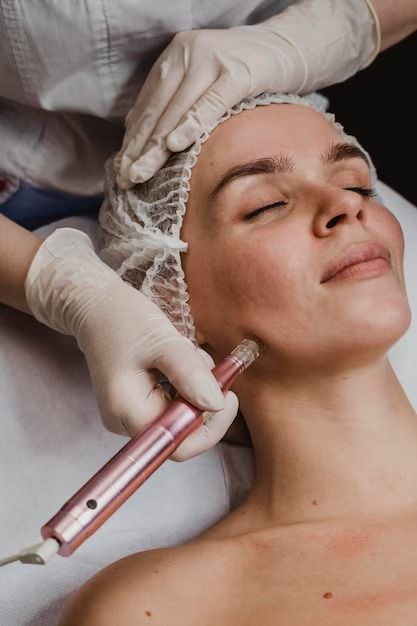
Your Plasma Pen treatment begins with a consultation to assess your skin concerns and determine appropriate treatment areas. A numbing agent is applied to ensure comfort during the procedure. Treatment involves applying plasma energy in a precise pattern across the skin. Sessions typically take 30 to 60 minutes depending on the area treated. After treatment, small dots and mild swelling may appear as part of the healing process. These typically resolve over several days. As the skin heals, tightening and improvement in texture become more noticeable, with continued results developing over time as collagen production increases.
Common Questions About Plasma Pen Treatments
What Patients Want To Know Before Treatment
Is a Plasma Pen a safe treatment for skin tightening?
Yes. Plasma Pen is considered safe when performed by trained professionals, using controlled energy to stimulate collagen and tighten the skin.
What areas can be treated with a Plasma Pen?
Common areas include around the eyes, mouth, neck, and other areas with fine lines or mild to moderate skin laxity.
Is there downtime after Plasma Pen treatment?
There is some downtime. Small marks and swelling may appear and typically resolve within several days as the skin heals.
How long does it take to see results from a Plasma Pen?
Some tightening may be noticeable early, with continued improvement over several weeks as collagen production increases.
Does Plasma Pen treatment hurt during the procedure?
A numbing agent is used to improve comfort. Most patients experience minimal discomfort during the treatment.
How long do Plasma Pen results typically last?
Results can last several months to years depending on skin condition, aging, and lifestyle factors.
Can Plasma Pen be combined with other treatments?
Yes. Plasma Pen can be combined with other treatments to enhance overall results and address multiple skin concerns.
Who is a good candidate for Plasma Pen treatment?
Patients with mild to moderate skin laxity and fine lines who want non-surgical tightening and skin improvement are ideal candidates.
Patient Experiences And Skin Improvements